3:00 pm6:00 pm
3 hrAdvanced Technology Career Fair
Encina Hall
Open to Stanford students. Free to attend. One form covers registration and your resume, which we share with attending companies.


Open to Stanford students. Free to attend. One form covers registration and your resume, which we share with attending companies.
Check in and pick up your badge. Coffee is served.
 Jasper BurnsMaster of Ceremonies, Stanford DEFCON
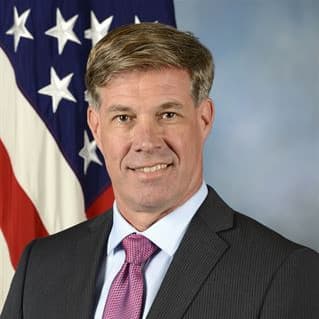 Joe FelterDirector, Gordian Knot Center for National Security Innovation
Opening speech, then a fireside chat moderated by Gordon Kim.
 President Tsai Ing WenFormer President, Republic of China (Taiwan)
Frontline perspectives on deterrence, emerging tech, and the U.S.–Taiwan partnership in an era of great power competition.
 Gordon KimCo-President, Stanford DEFCON, MBA ’27
 Dr. Jeremy Chih-Cheng ChangChief Executive Officer, Research Institute for Democracy, Society, and Emerging Technology (DSET)
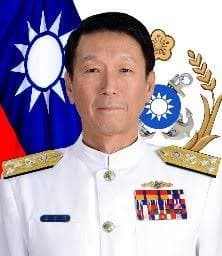 Adm. Lee Hsi Min (Ret.)Former Chief of the General Staff, Republic of China (Taiwan) Armed Forces; Senior Fellow, Project 2049 Institute
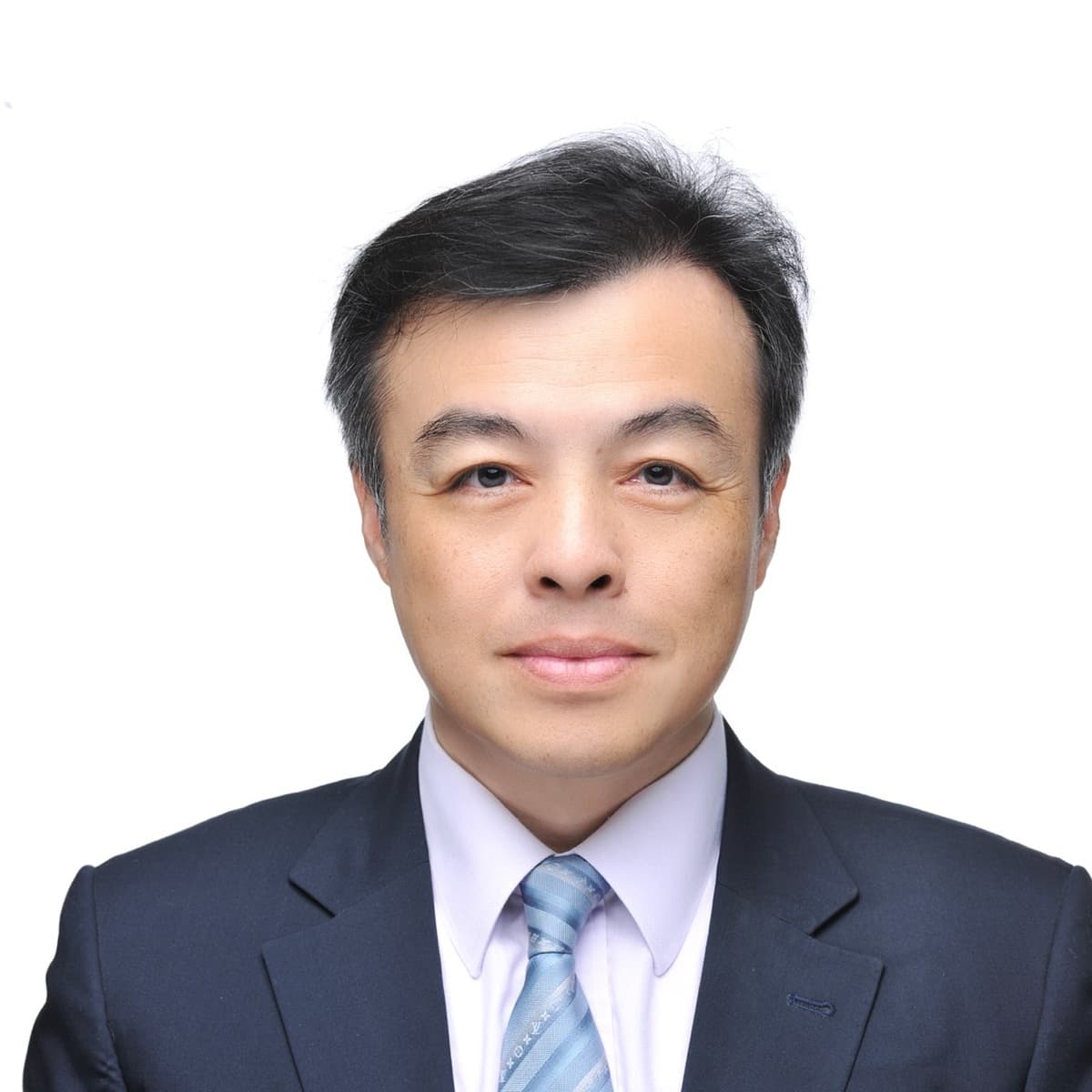 David C.H. WuDirector-General, Taipei Economic and Cultural Office in San Francisco
Where private capital can create U.S. advantage by backing emerging technologies, rebuilding critical capabilities, and finding the white spaces still underserved by the defense market.
 Collen LarsonOrganizer, Stanford DEFCON
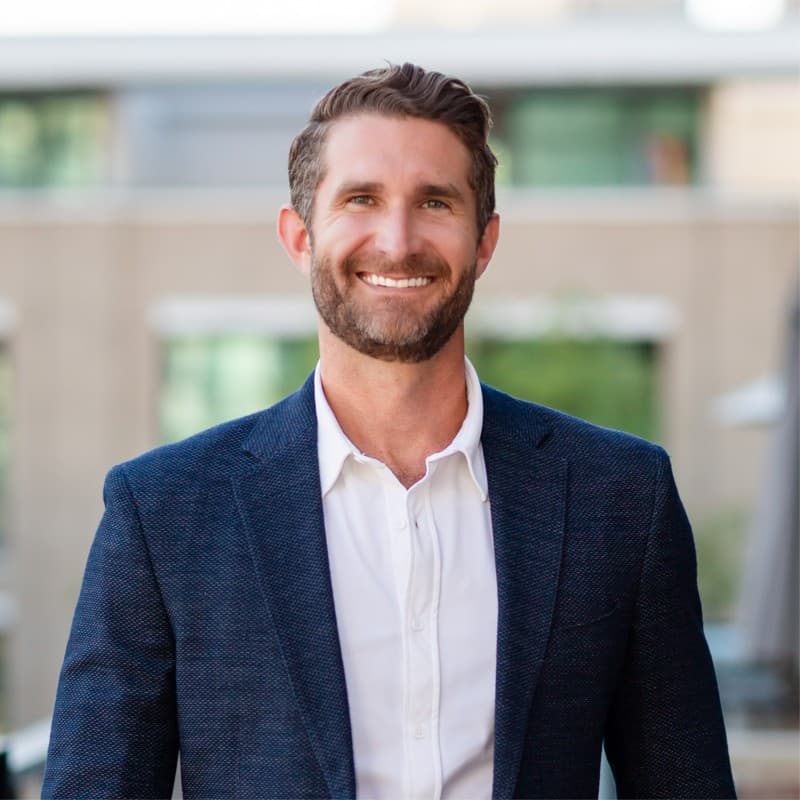 Larsen JensenFounder/GP, Harpoon Ventures
 Mike BrownPartner, Shield Capital
 Sarah HessPartner, Lux Capital
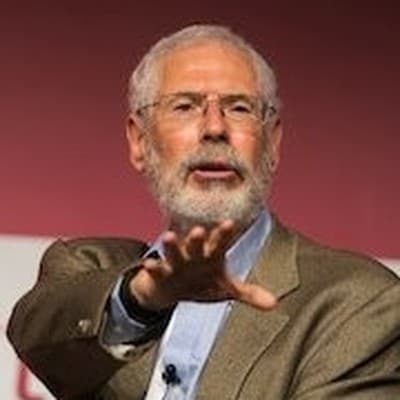 Steve BlankEntrepreneur/Adjunct Professor at Stanford, creator of Hacking for Defense
Can America build fast enough to deter a competitor with a manufacturing base it cannot match? This panel puts manufacturers working at the frontier, additive metals, advanced composites, precision machining, submarine components, alongside the capital meant to finance them, and tests their competing theories of what is actually holding American production back.
 Jake KlosowskiOrganizer, Stanford DEFCON
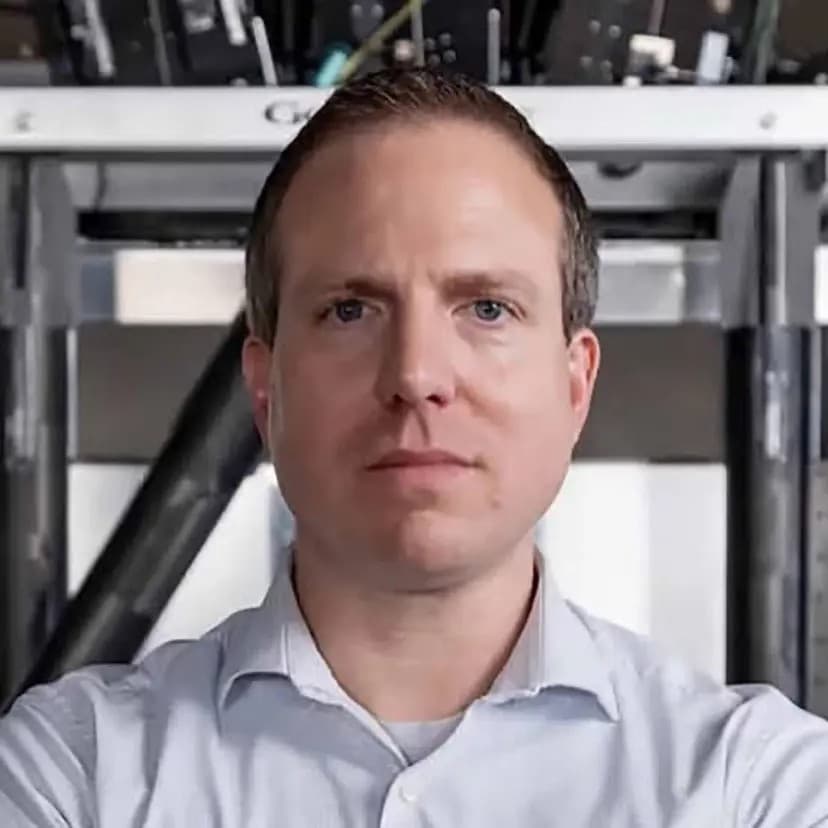 Erik PalitschCEO, Freeform
 Chris PowerCEO, Hadrian
 Riley ReeseCo-Founder & CEO, Arris Composites
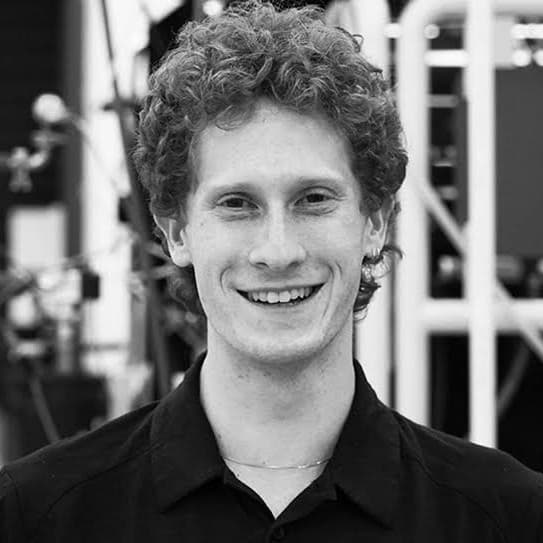 Jonah Glick-UntermanHead of Strategy, Vulcan Elements
Where the distributed force stays connected, mobile, powered, and resupplied when the enemy contests every link in the chain.
 Ryan CaseyCo-President, Stanford DEFCON, MBA ’27
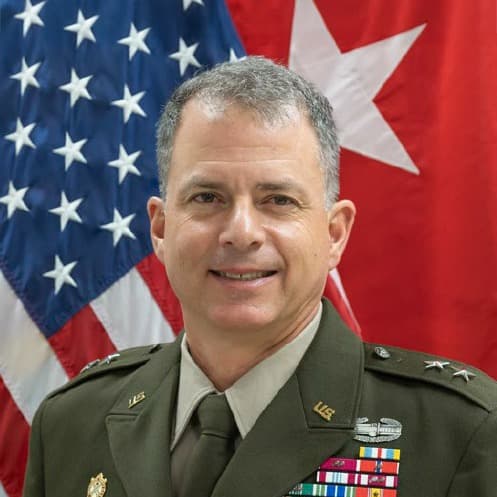 Major General Gavin J. GardnerSpecial Assistant to the Deputy Commander, Army Materiel Command, United States Army
 Akhil IyerCo-Founder & CEO, Watchtower Labs
 Adam WarmothFounder and CEO, Chariot Defense
 Byron BootsCo-Founder & CEO, Overland AI
Acquisition reform, industrial-base programs, and private capital are widening the door to the defense industrial base. The sharper question is whether this is a lasting rewiring of how the Pentagon buys, or a faster on-ramp that funnels new entrants into the same old bottlenecks.
 Maggie GrayPrincipal, Shield Capital
 James R. MismashDeputy Assistant Secretary of War for Industrial Base Growth and Director, Office of Small Business Programs (OSBP), Department of War
 LTC Samuel Spencer-PittmanPrivate Capital Integrator, Army FUZE, U.S. Army
 Cameron McCordCo-Founder and CEO, Nominal
How the U.S. military must adapt strategy, command, force design, and industrial capacity to field autonomous forces that can fight, survive, and deter across every domain.
Collen LarsonOrganizer, Stanford DEFCON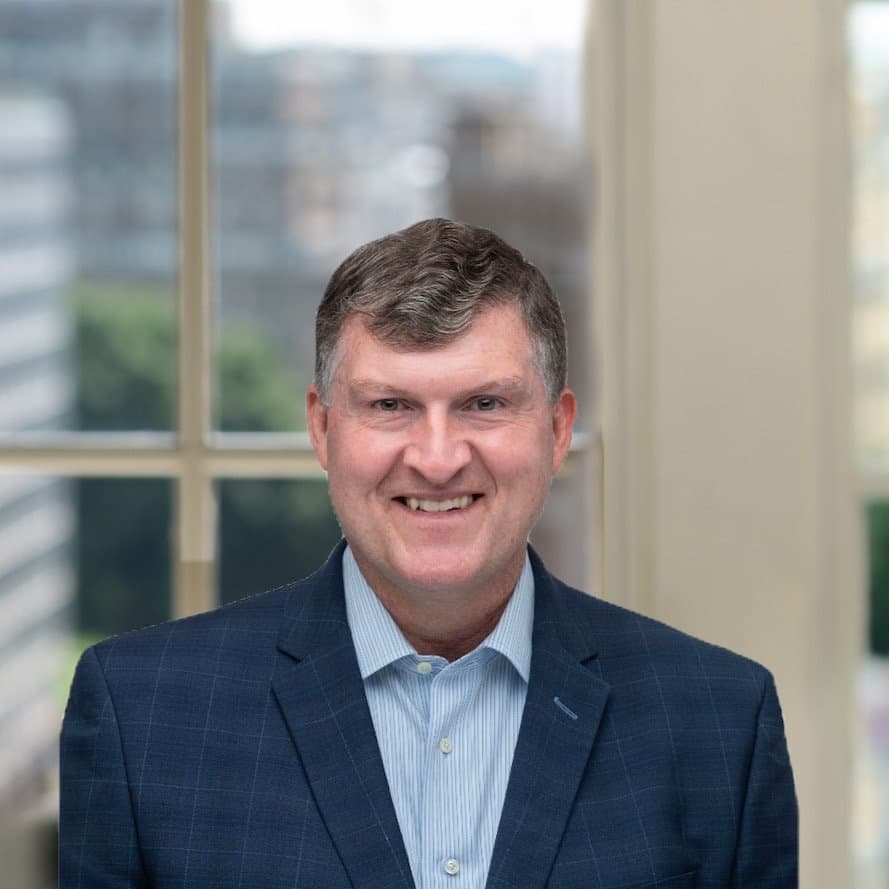 Lt. Gen. (Ret) S. Clinton Hinote, PhDFormer Deputy Chief of Staff for Strategy, Integration, and Requirements, Professor at RAND School of Public Policy
 Matt CroninSr. National Security Advisor, a16z, Former Chief Investigative Counsel & Deputy General Counsel at U.S. House Select Committee on Strategic Competition between the U.S. and China
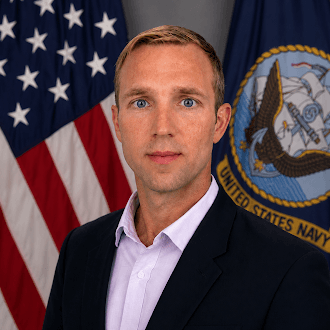 Christopher MurphyDIU CTO
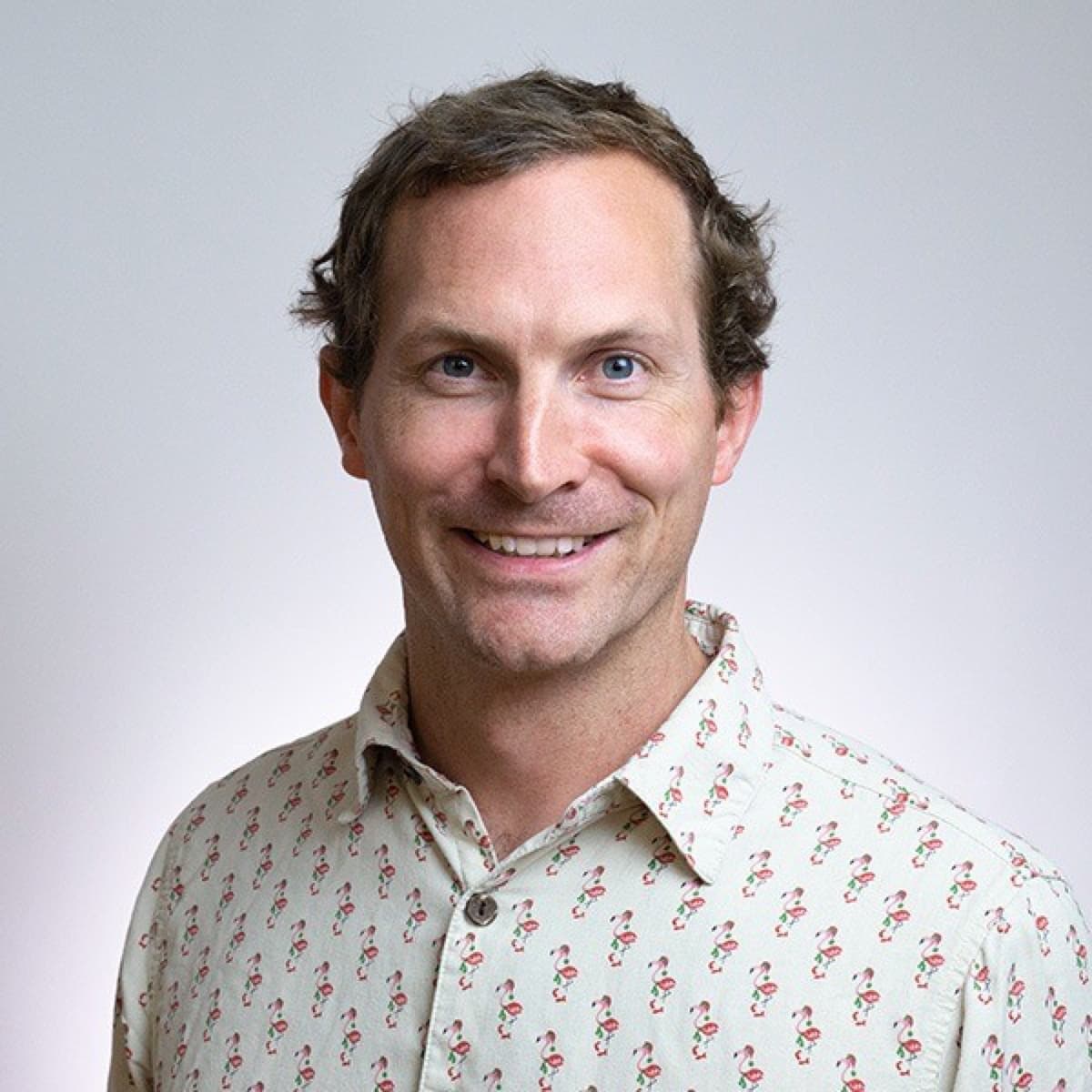 Colin CarrollChief Growth Officer, CHAOS Industries
Different paths. One purpose. A fireside conversation on serving the country in uniform and in the civil service.
Joe FelterDirector, Gordian Knot Center for National Security Innovation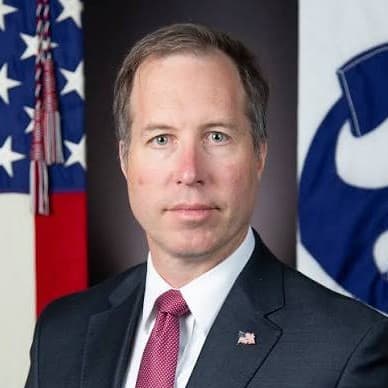 Benjamin KohlmannAssistant Secretary of the Navy for Manpower and Reserve Affairs
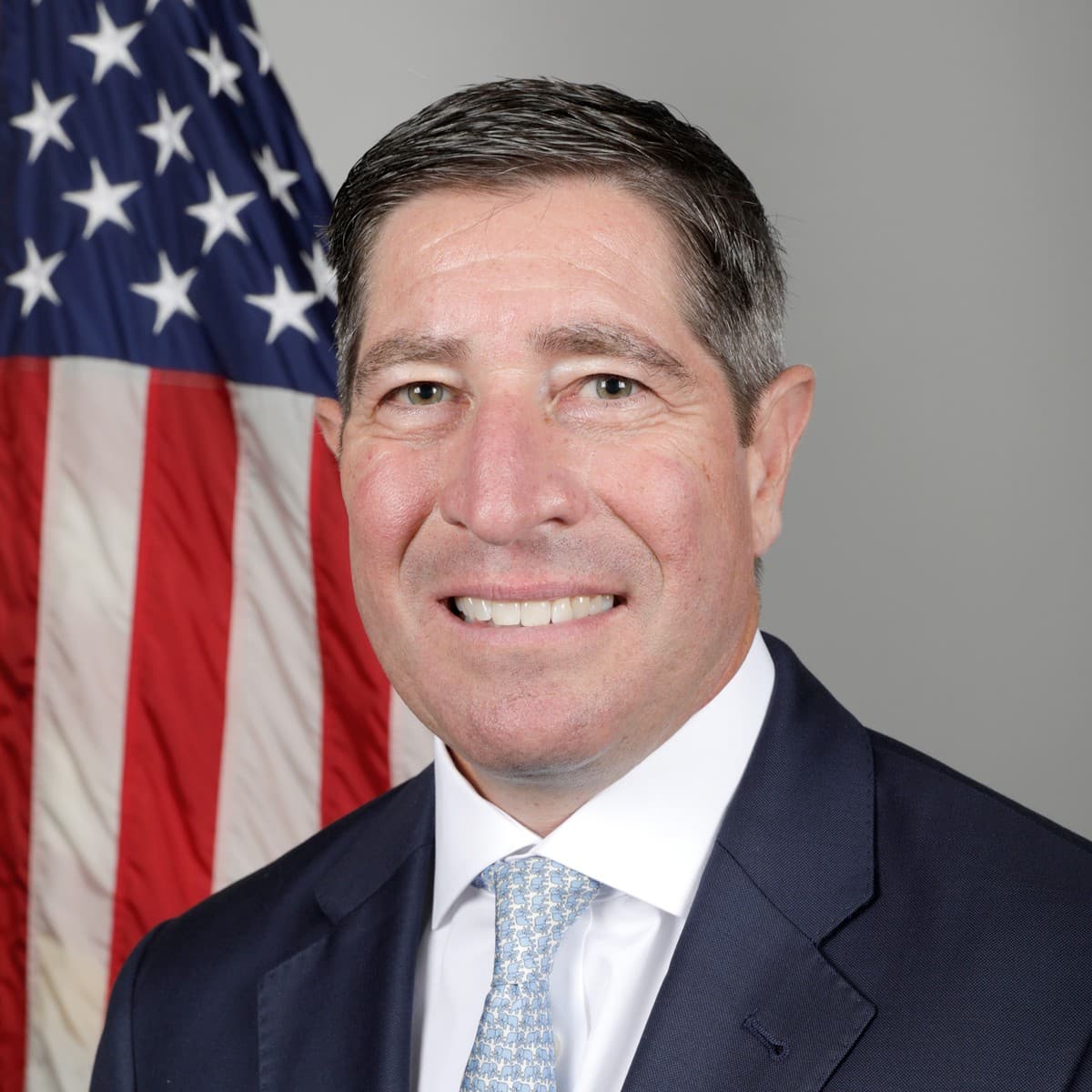 Scott KuporDirector, U.S. Office of Personnel Management
Fireside chat moderated by Collen Larson.
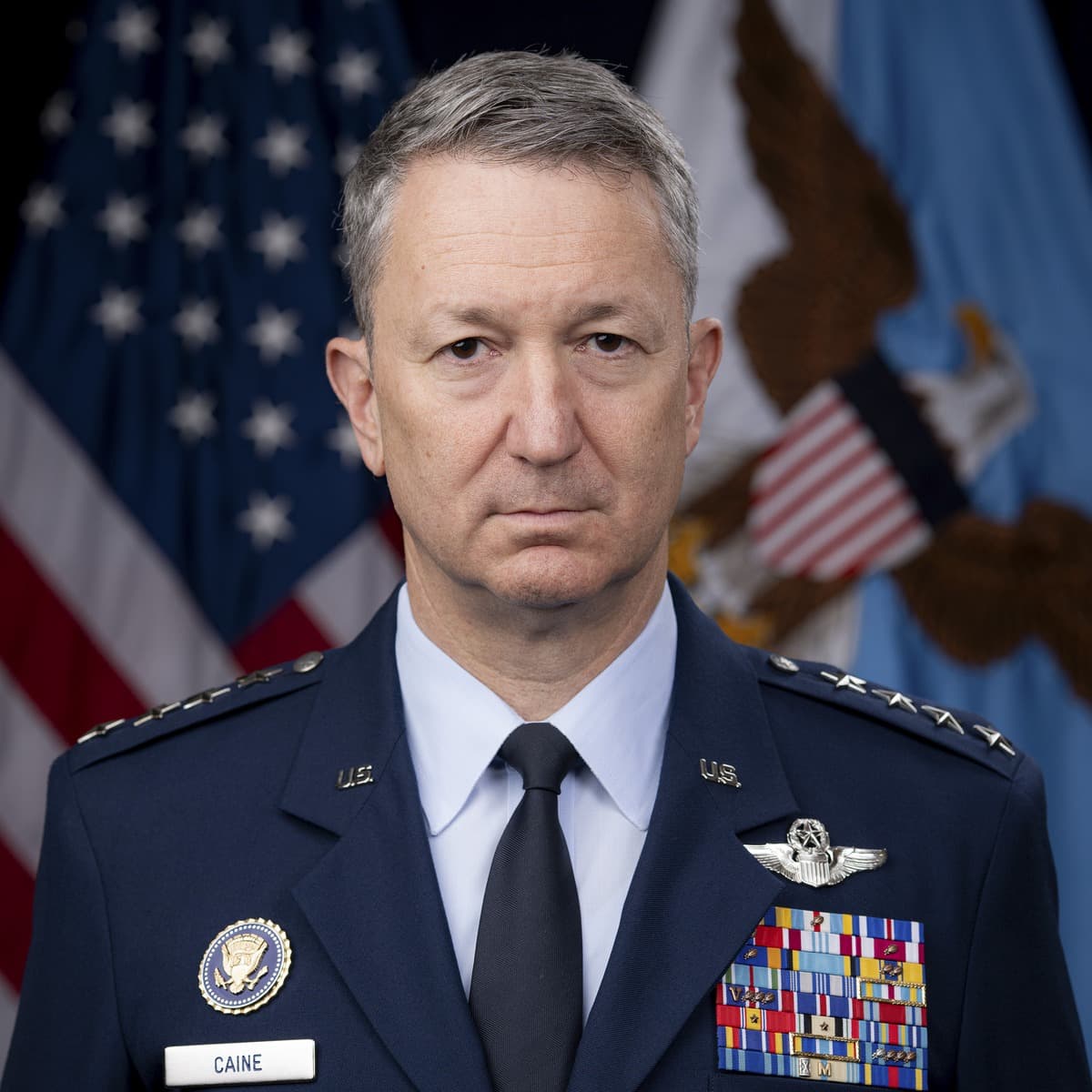 Gen. Dan CaineChairman of the Joint Chiefs of Staff
Washington wants to supercharge the industrial base and crowd in private capital. Four practitioners from different points in the capital stack will discuss what that takes and what each layer costs.
Ryan CaseyCo-President, Stanford DEFCON, MBA ’27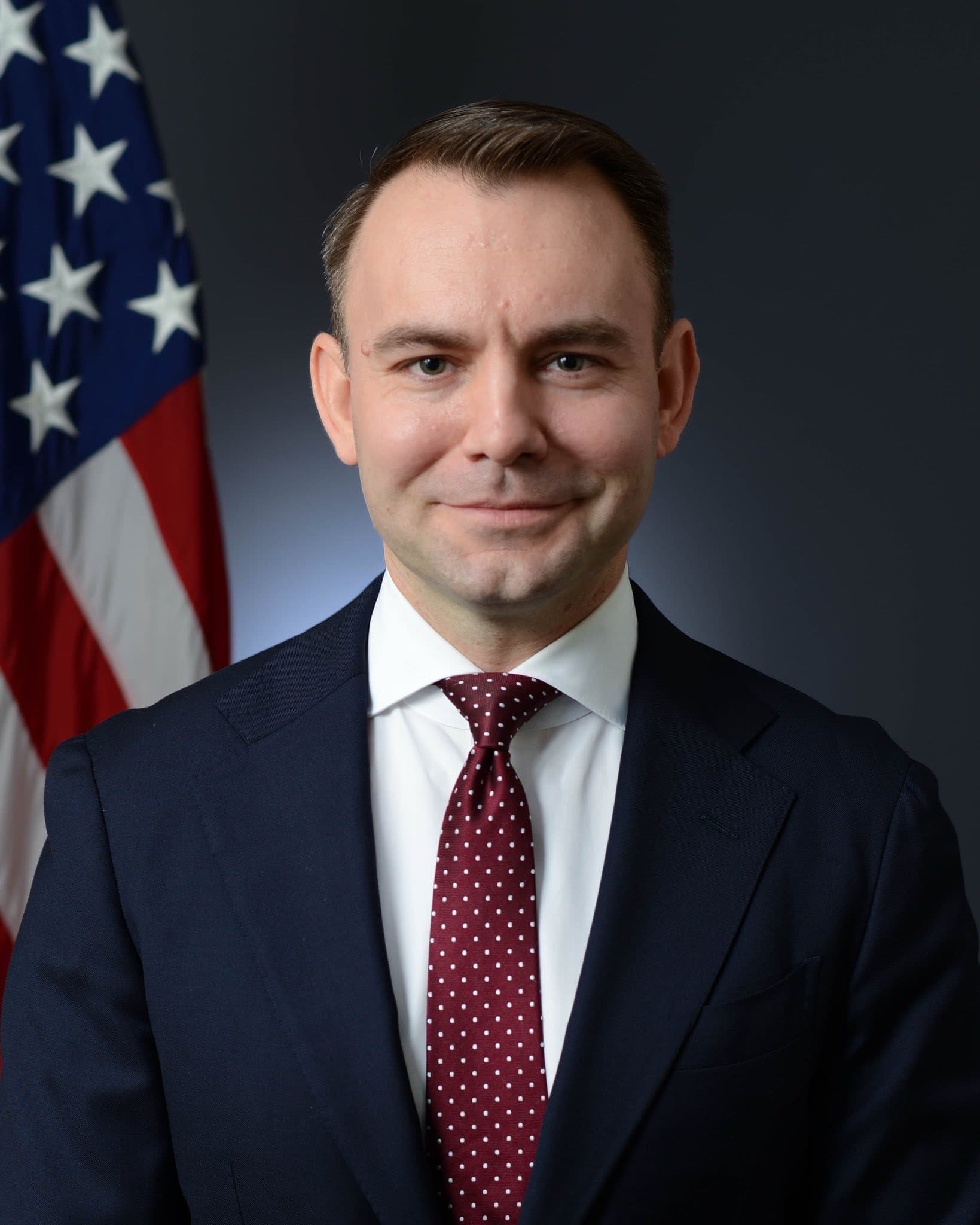 Ryan LindnerDeputy Director and Head of Investments, Economic Defense Unit, U.S. Department of War
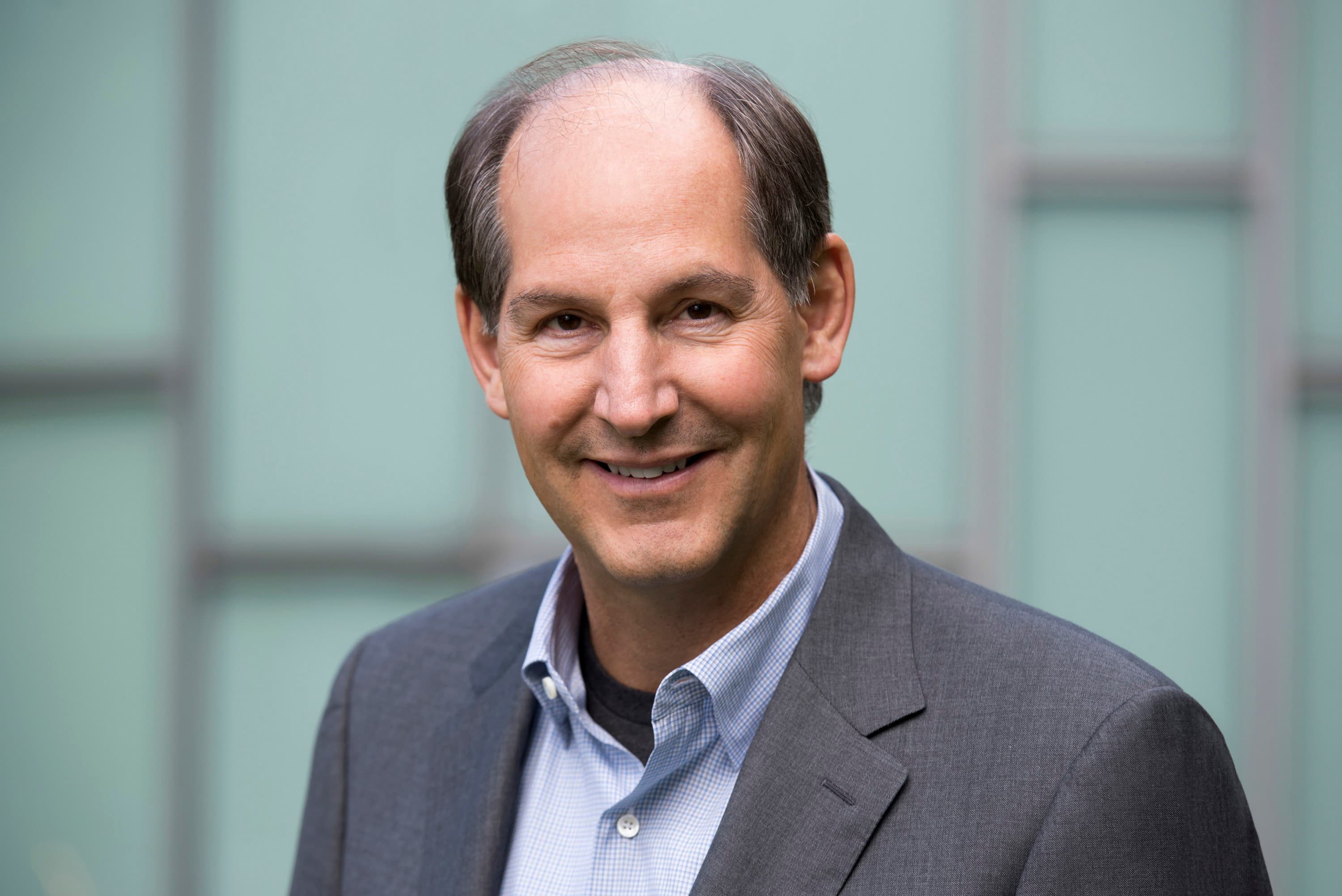 Frank FinelliSenior Advisor, The Carlyle Group
 Trevor BurnsManaging Director, Defense and Aerospace Lead, Security & Resiliency Initiative, J.P. Morgan
 Isaiah SchulzeManaging Director, Frontier Market Investment Platform, Cerberus Capital Management
Ukraine now iterates drones, electronic warfare, and battlefield software on a cycle measured in weeks, with frontline units feeding requirements straight back to the people building them. Ukrainian practitioners and a Stanford security expert walk through how that loop works in practice and what the United States would have to change to match it.
 Luke ZerrerCo-President, Stanford DEFCON, MBA ’27
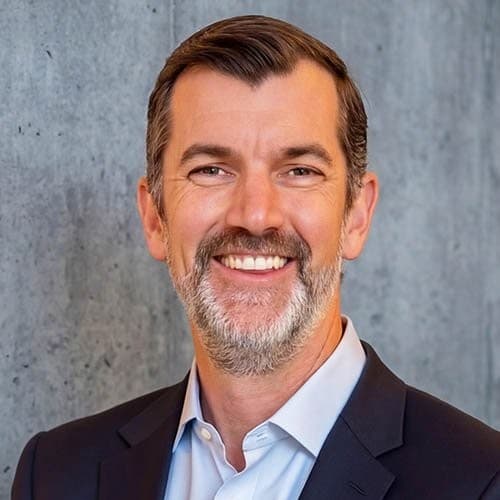 Nate AdlerSenior Adviser, Stanford Center for International Security and Cooperation
Advanced power generation in the age of AI, and what it means for our military, our nation, and our allies.
 Andreas HamiltonOrganizer, Stanford DEFCON
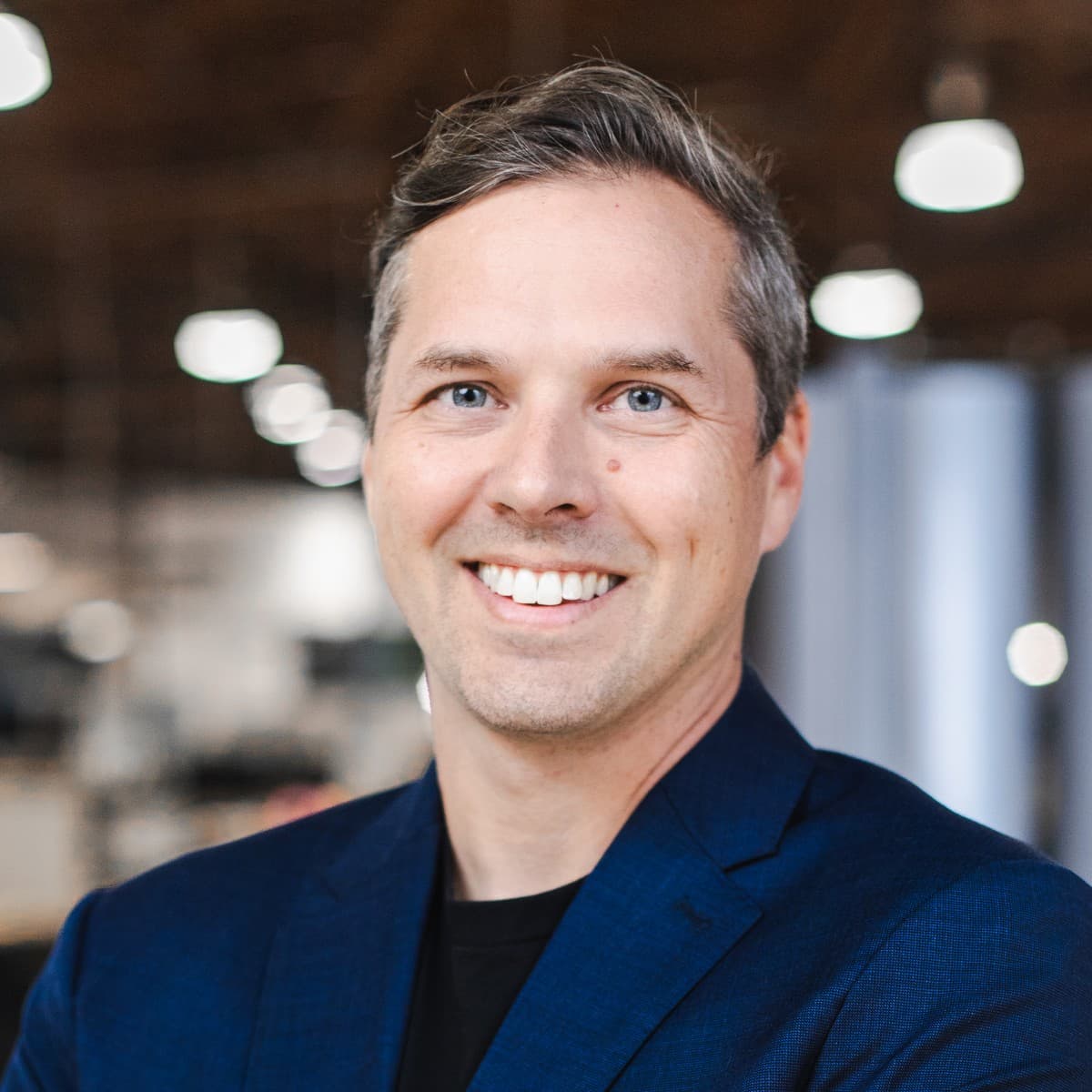 Doug BernauerChief Executive Officer, Radiant
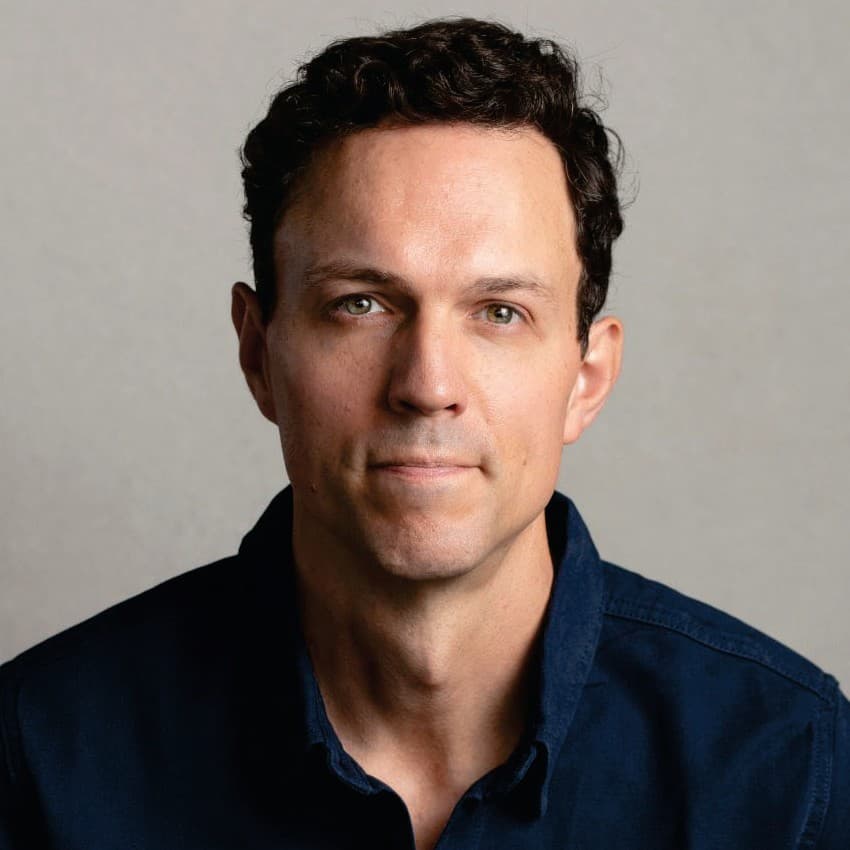 Lee RobinsonChief Operating Officer, General Matter; Senior Advisor, Defense Innovation Unit (DIU)
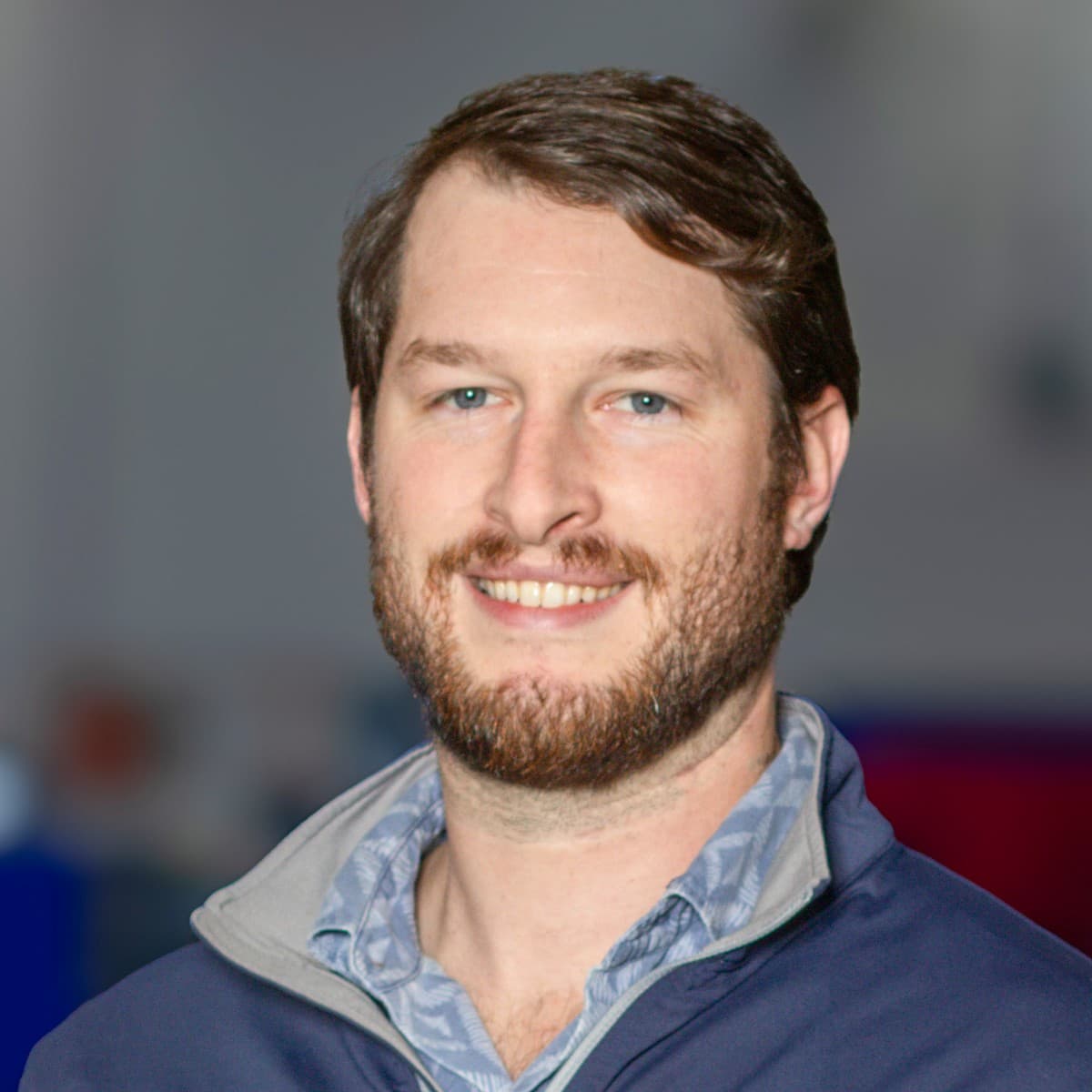 William MadsenHead of Mission Engineering, Antares
 Artem SherbininDeputy Assistant Secretary of War, Office of the Under Secretary of War for Research and Engineering (OUSW R&E)
 Dr. Tsaiying LuResearch Fellow and Director, Energy Security and Climate Resilience Program, Research Institute for Democracy, Society, and Emerging Technology (DSET)
Government leaders, operators, and investors on how commercial technology is reshaping intelligence collection, and what it takes for the agencies at the center of the mission to turn that capability into a real advantage.
 Mary Parker AldecoaOrganizer, Stanford DEFCON
 Dr. Aaron WeinerSenior Director of ISR, K2 Space; Former Director of Advanced Systems and Technology Directorate, NRO
 Will GolinkinVP of Federal, Cape
 Samuel SemwanguFounder and CEO, Bazze
 Stephen RodriguezOperating Partner, DCVC
The autonomous fleet is arriving faster than the industrial base that has to build it. This panel brings together the people fielding unmanned surface and undersea vessels and the shipbuilders trying to close the capacity gap, to test whether autonomy actually changes the deterrence math, or is outrunning America's ability to produce a fleet at scale.
Jake KlosowskiOrganizer, Stanford DEFCON John McGunnigleCo-Founder & Executive Chairman, Spear AI
 Mike GuayCo-Founder and CEO, Corridian
 Chris HorakVP of Business Development & Marketing, Ocean Infinity
 Charlie ChiauFounder & CTO, Bedrock
A peer fight will burn through unmanned systems faster than today's industrial base can replace them. Builders of autonomous aircraft and vessels join a Taiwan-based drone policy analyst to examine what it takes to design, buy, and produce attritable systems in real volume, and whether allied supply chains can sustain that mass once the shooting starts.
Luke ZerrerCo-President, Stanford DEFCON, MBA ’27 Oliver PalmerCo-Founder & CRO, Swarm Aero
 Bentzion LevinsonFounder & CEO, Heven AeroTech
 Ben CipperleyChief Strategy Officer, Havoc AI
 Samara DuerrPolicy Analyst, Research Institute for Democracy, Society, and Emerging Technology (DSET)
Commercialization and Great Power competition on the high frontier.
 William WhittenburyOrganizer, Stanford DEFCON
 LeSean BrownOrganizer, Stanford DEFCON
 Jonathan LacosteFounder & General Partner, Ambition Capital
 Christian KeilPartner, Andreessen Horowitz American Dynamism Fund
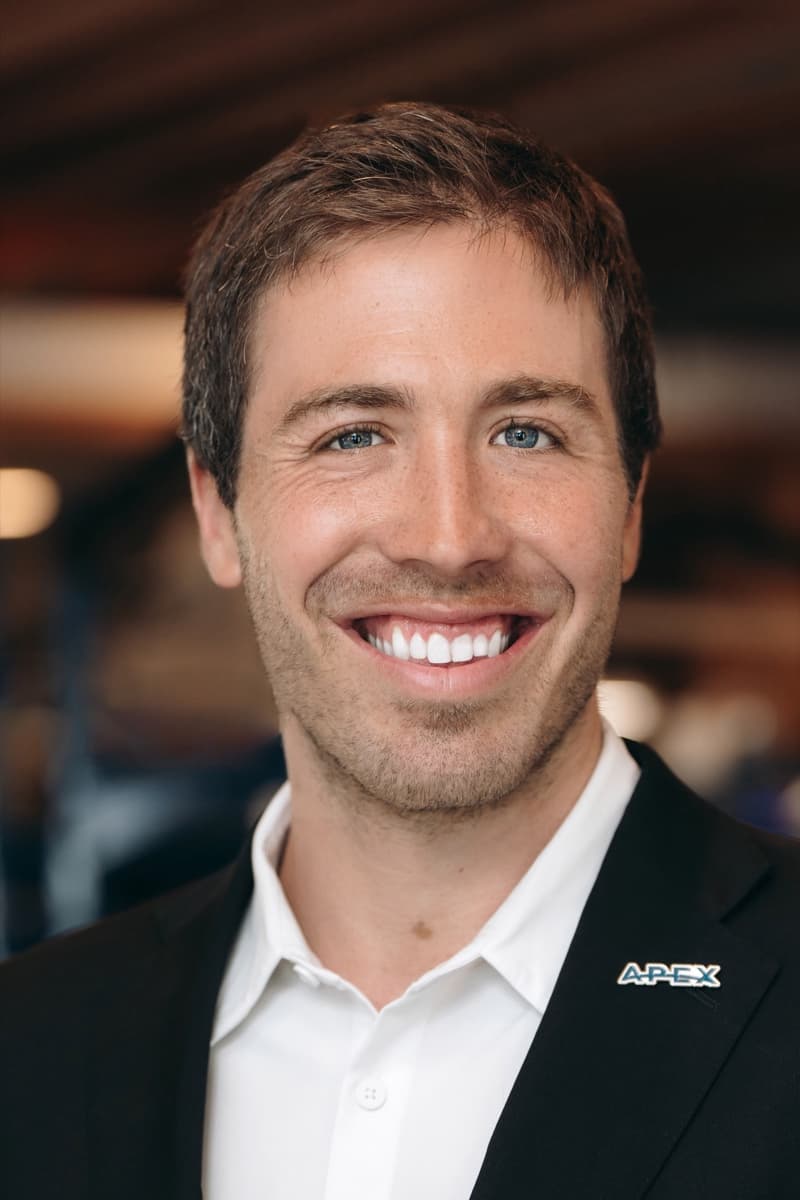 Ian CinnamonFounder & CEO, Apex
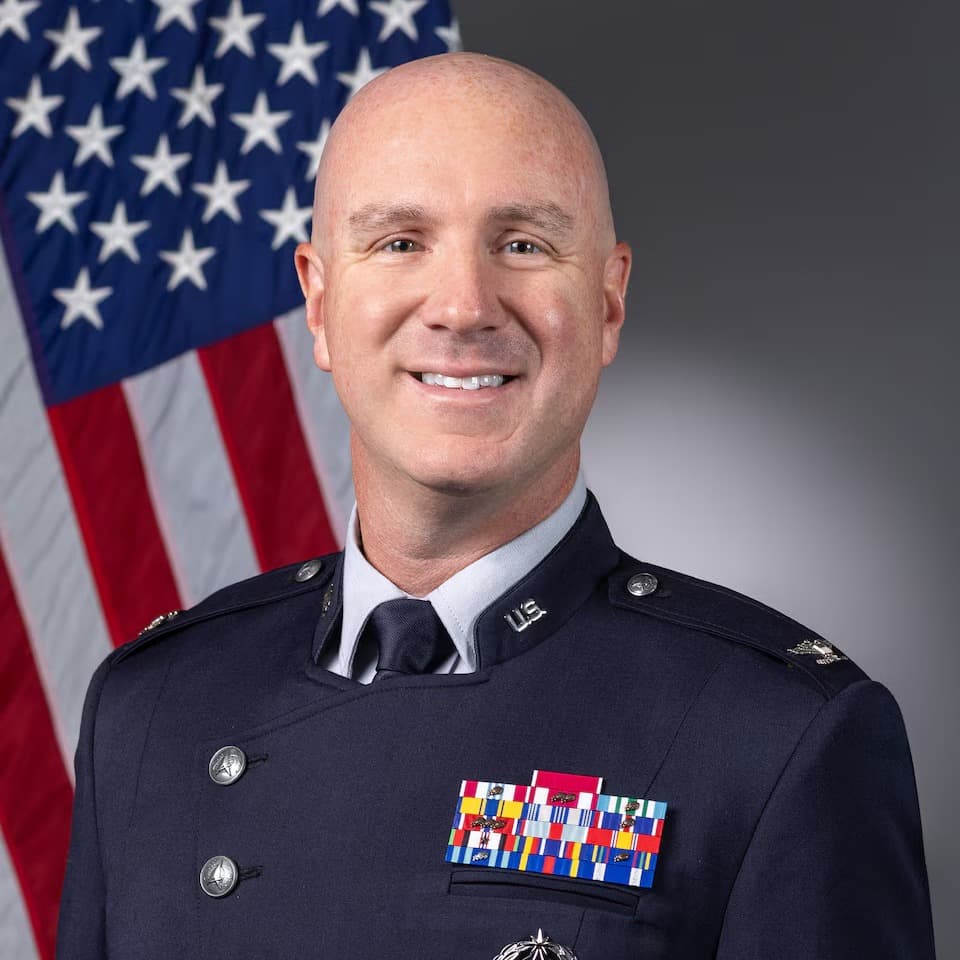 Col. Andrew MenschnerDeputy Commander, Space Systems Command
Closing fireside chat.
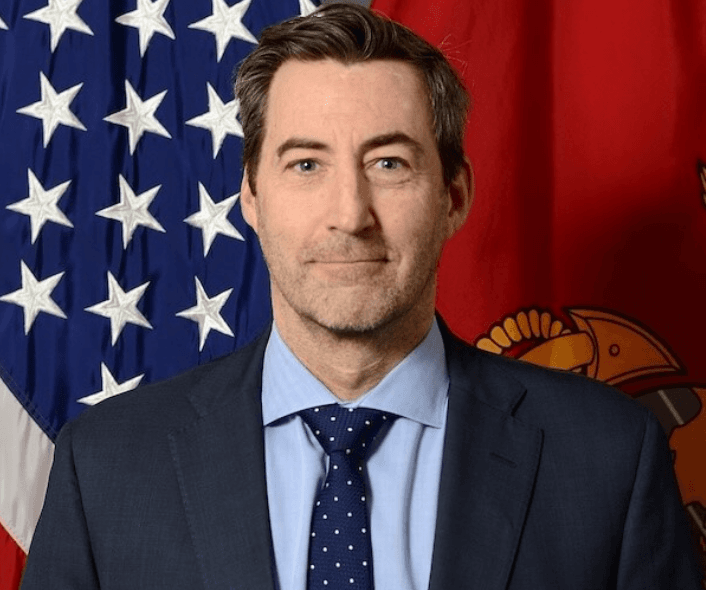 Director Owen WestDirector, Defense Innovation Unit